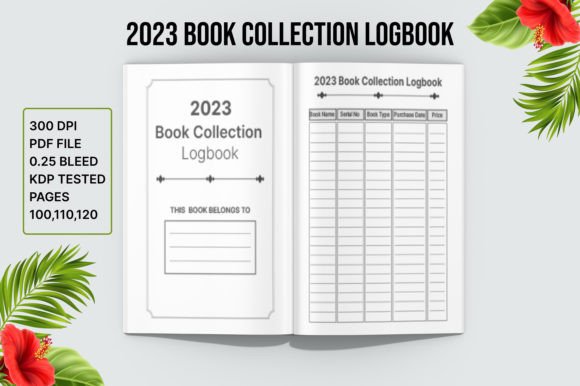
The Ultimate Guide to Your Personal Literary Archive: Mastering the 2023 Book Collection Logbook
In a world saturated with digital noise, the quiet act of collecting and cataloging physical books remains a deeply satisfying pursuit. For bibliophiles, casual readers, and knowledge seekers alike, a book collection is more than a shelf of titles; it's a curated archive of ideas, a timeline of personal growth, and a tangible legacy. Yet, without proper documentation, this valuable collection can become a chaotic mystery. This is where the purpose-built tool—the 2023 Book Collection Logbook—comes into play, transforming disorganization into a structured, accessible, and deeply personal library system.
What is a Book Collection Logbook and Why Do You Need One?
Imagine knowing not just what books you own, but when you acquired them, their condition, your thoughts upon reading them, and even their current location. A Book Collection Logbook is a dedicated journal designed specifically for this purpose. It serves as the central nervous system for your library. The 2023 edition provides a fresh, organized framework for the year, allowing you to start with clarity or revitalize an existing collection.
Its significance lies in moving beyond simple possession to active stewardship. For many, the assumption is that loving books means buying and stacking them. However, the common misunderstanding is that a collection's value is purely in the reading. In reality, its long-term value—whether for personal reference, estate planning, or potential sale—is profoundly enhanced by meticulous record-keeping. This logbook bridges the gap between passion and practicality.
From Chaos to Curated Collection: The Core Functions
The logbook's primary purpose is to bring order. It typically includes structured sections for:
- Bibliographic Data: Recording title, author, publisher, edition, and ISBN.
- Acquisition Details: Noting the date, source (bookstore, gift, online), and cost.
- Condition & Location: Tracking the book's physical state and where it's shelved in your home.
- Reading Notes & Reviews: Space for brief impressions, key takeaways, or a personal rating system.
- Loan Tracking: A crucial feature to remember who borrowed your precious copy of that classic novel.
By filling these pages, you are not just listing items; you are building a narrative of your intellectual journey. This practice fits seamlessly into modern life, where mindfulness and intentional living are prized. It counterbalances the fleeting nature of digital content by creating a permanent, physical record of your engagement with the world's ideas.
Exploring the Ready-to-Use KDP Interior: A Tool Designed for Success
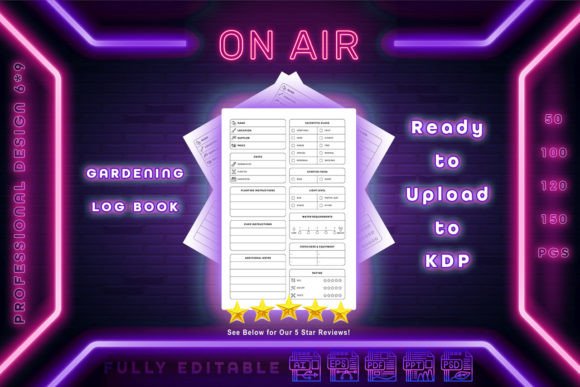
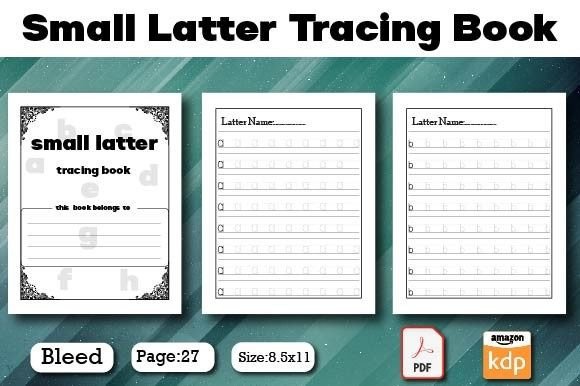
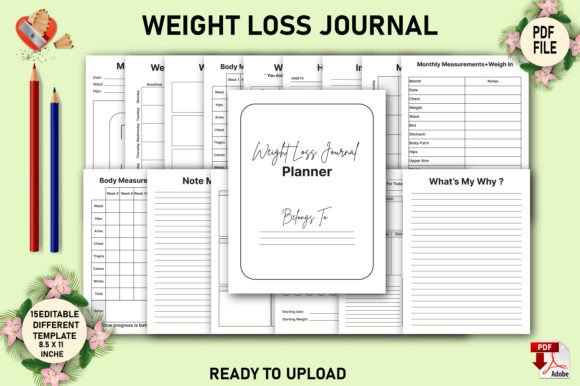
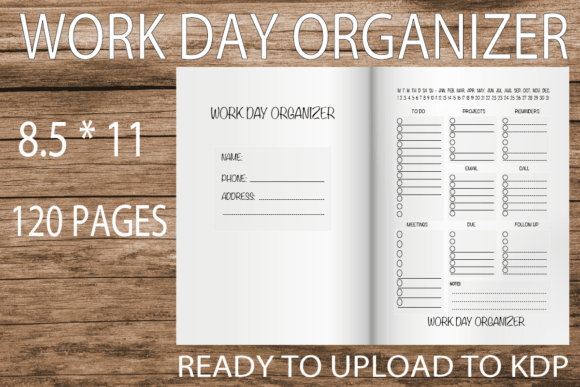
For those looking to create their own logbook or purchase a perfectly formatted one, the concept of a KDP Interior file is key. KDP, or Kindle Direct Publishing, is Amazon's platform for self-publishing. A "KDP Interior" refers to the professionally designed, pre-formatted inside pages of a book, ready for printing. The specifications for the 2023 Book Collection Logbook KDP Interior—such as high-quality PDFs, JPG files, multiple sizes (6x9, 8.5x11 inches), 100-120 pages, CMYK color, 300 DPI resolution, and a 0.25-inch bleed area—are not just technical jargon. They represent a product crafted for real-world use and publishing success.
These features have direct practical relevance:
- Multiple File Formats (PDF/JPG): Ensure flexibility for both digital reference and professional printing.
- Standard Page Sizes: The 6x9 and 8.5x11 inches are industry-standard book and journal dimensions, guaranteeing a familiar, comfortable feel.
- Page Count Range: 100 to 120 pages offers ample space for a substantial collection without being overwhelming.
- CMYK Color & 300 DPI: This is the gold standard for print quality. CMYK is the color mode used by commercial printers, ensuring the colors you design are the colors you get. 300 DPI (dots per inch) guarantees crisp, sharp text and graphics, free from blurriness.
- The Bleed Area: Perhaps the most critical technical aspect for aspiring publishers. A "bleed" extends the background design or color beyond the final trim edge of the page. This 0.25-inch area prevents unwanted white borders after cutting, resulting in a polished, professional-looking book.
This ready-to-upload package removes the immense technical barriers of self-publishing. It allows creators, educators, or small businesses to focus on content and distribution, not complex graphic design software and print specifications.
Integration into Modern Creativity and Business
The availability of such specialized interior files speaks to a broader trend in technology and entrepreneurship: the democratization of publishing. Whether you are a book club organizer creating a shared catalog, a teacher designing a classroom resource, or an entrepreneur selling niche journals on Amazon KDP, this tool empowers you. It fits perfectly into the ecosystem of modern creative work, where accessible technology enables individuals to produce professional-grade products.
An example of its natural use: A avid reader purchases the ready-made 2023 Book Collection Logbook. After using it for a year and experiencing its benefits, they recognize a demand among their fellow collectors in a online forum. They can then use the same KDP Interior specifications as a template to create and publish a slightly customized version for that specific community, turning personal passion into a micro-business.
Building a Broader Understanding: The Logbook as a Lifelong Tool
To view the Book Collection Logbook merely as a checklist is to underestimate its potential. Its true role is multifaceted, serving different purposes across various stages of life and interest.
In Education and Research: For students and academics, a personal logbook can evolve into a powerful research tool. It can track primary and secondary sources, note cross-references between texts, and document the evolution of a thesis idea over time, far surpassing the functionality of a simple spreadsheet.
For Estate and Insurance Planning: A well-maintained logbook provides a veritable inventory for a collection that may have significant monetary or sentimental value. It simplifies insurance claims and ensures heirs understand the provenance and importance of the library they are entrusted with.
Enhancing the Reading Experience: The act of logging a book after reading it forces a moment of reflection. This pauses the endless consumption of content and encourages deeper assimilation. Was the book impactful? Would you recommend it? What was its core argument? This practice turns passive reading into active learning.
Clarifying Common Assumptions
A frequent assumption is that such logbooks are only for massive libraries or rare book collectors. This is a misunderstanding. Even a modest collection of 50 books benefits from organization. The process reveals patterns in your reading habits, helps avoid duplicate purchases, and makes choosing your next read a deliberate pleasure, not a random grab from a crowded shelf.
Another assumption is that digital apps can serve the same function. While digital tools offer convenience, the physical logbook offers permanence, tactile satisfaction, and freedom from digital distractions. It becomes an heirloom object itself, a book about your books. The 2023 Book Collection Logbook, especially in its high-quality printed form, embraces this philosophy.
Conclusion: Your Archive Awaits
The 2023 Book Collection Logbook and its associated professional KDP Interior files represent more than a product; they represent a methodology. They encourage a shift from accumulation to curation, from clutter to legacy. Whether you are a lifelong bibliophile seeking to finally organize your treasures, a creative individual looking to publish a useful tool, or simply someone wishing to add more intention to your reading life, this system provides the foundation.
By starting with this logbook, you embark on a project that is both profoundly personal and impeccably practical. You begin to see your collection not as isolated volumes, but as interconnected pieces of your own story—a story now properly cataloged, respected, and ready for the next chapter. In an age of information overload, your personal literary archive, meticulously maintained, becomes a sanctuary of curated knowledge and a testament to the enduring power of the printed word.