Evaluating the Editable Business Planner for KDP
In the world of self-publishing, particularly on platforms like Amazon Kindle Direct Publishing (KDP), the quality of your product's interior is a critical factor for success. It’s not just about the content; it’s about professional presentation that meets technical specifications and provides genuine utility for the end user. The Editable Business Planner for KDP represents a specific category of digital product aimed at creators who publish practical tools rather than narrative works. This discussion examines its characteristics, practical value, and fit within a publisher's workflow, from a professional standpoint.
Core Purpose and Key Specifications
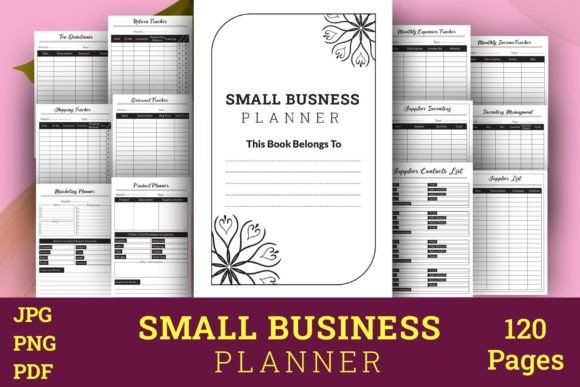
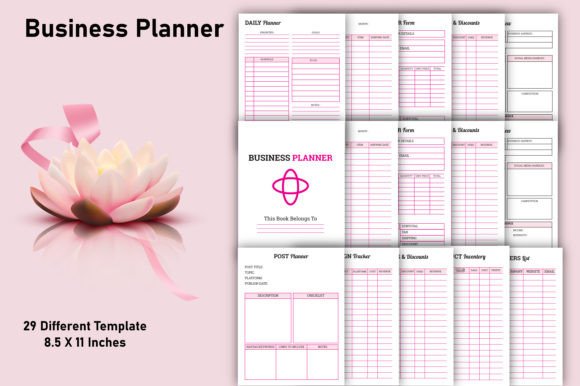
Fundamentally, the Editable Business Planner for KDP is a set of pre-designed, editable interior pages meant to be sold as a standalone book on Amazon. The seller provides high-quality, print-ready PDF files to the buyer, who then uploads these files to KDP to produce a physical planner. The stated specifications—8.5 x 11 inches, without a bleed area, using CMYK color at 300 PPI—are directly aligned with KDP’s requirements for standard interior formats. This adherence is crucial; a product that is "KDP tested" implies it has been validated against Amazon's printing system, reducing the risk of formatting errors or color shifts post-upload. This reliability in meeting platform standards is a primary strength.
The offering of 29 different templates within the planner suggests a comprehensive approach. A business planner typically requires variety: sections for goal setting, financial tracking, project management, monthly and weekly calendars, contact lists, and note-taking. A robust template count indicates an attempt to cover the multifaceted needs of a business user, providing a structured yet flexible framework.
Analyzing Quality and Usability for the Publisher
For the KDP publisher—the person selling this planner—the value lies in the "editable" and "print-ready" nature of the files. "Editable" likely means the source files (perhaps in a format like Adobe InDesign or even a layered PDF) are provided, allowing for customization. This is a significant advantage. A publisher can adjust colors, fonts, or minor layout elements to differentiate their product or align it with a specific brand, without needing to design 29 templates from scratch. The time and skill investment saved here is substantial.
The guarantee of "high quality print ready PDF files" addresses a common pain point. On KDP, the final printed product’s appearance is paramount. Low-resolution images, improper color profiles, or misaligned margins can render a planner unusable and lead to negative reviews. A product that delivers files already optimized for CMYK printing at 300 PPI provides a layer of assurance. It transfers the responsibility of technical print preparation from the publisher to the original designer, assuming that designer has executed it correctly. This consistency and reliability in output are key factors in a publisher’s decision.
Practical Value for the End User
While the KDP publisher is the immediate customer for this Editable Business Planner, the ultimate value chain extends to the end user who purchases the printed book. Therefore, the interior's design must be functionally effective. A good business planner template balances structure with blank space. It should guide the user logically through business planning activities without being overly restrictive or cluttered.
The use of standard US letter size (8.5 x 11 inches) is practical for a business planner, offering ample space for writing and brainstorming. The absence of a bleed area is standard for interiors that are text and line-based, as bleeds are typically needed for full-page background images or color. The choice of 29 templates suggests the planner could serve for a full year or a focused business project cycle, providing long-term utility. However, the actual long-term value depends heavily on the design intelligence of each template. Are the weekly layouts conducive to actual task management? Do the financial sheets have logical categories? This is where the unseen quality of the original design work becomes paramount.
Who Benefits Most from This Resource?
This product fits several specific creator profiles within the KDP ecosystem.
- Entrepreneurs and Small Business Owners looking to publish a supplementary product. They might use their business expertise to customize the templates slightly, creating a planner that feels authentic to their niche.
- Freelancers in Graphic Design or Content Creation who possess the skills to edit the files but wish to save time on the initial framework. This product provides a foundational asset they can refine and market.
- Marketers and Publishers who identify a demand in the business tools category on Amazon. They can use this editable planner as a rapid, quality-assured entry into that market, focusing their efforts on marketing and listing optimization rather than design.
- Educators and Coaches might find value in creating a branded planner for their clients or students, using the editable files to insert their logo or specific instructional headers.
It is less suited for individuals seeking a personal planner to use immediately, as it is a publishing asset, not a final consumer product. It also may not fit creators who desire a completely unique, from-scratch design identity, as even editable files will carry the foundational layout of the original designer.
Professional Observations and Considerations
From a practical publishing perspective, a key consideration is the licensing and terms of use. When purchasing an Editable Business Planner for KDP Interiors, one must ensure the license permits commercial use and resale on KDP. This is typically the case with such products, but it is an essential verification step.
Another observation is the importance of template coherence. With 29 templates, the set should maintain a consistent visual language—consistent fonts, icon styles, header formats, and color palette across all pages. A disjointed set where each template looks wildly different would result in a jarring final book. The product's description emphasizing "high quality" should encompass this design consistency.
A potential limitation lies in the "editable" aspect. The degree of editability matters. Are the files provided in a widely accessible software format? If they are in a proprietary or expensive professional design software format, the publisher may face a barrier to customization. Furthermore, editing requires a certain level of technical confidence; it’s not a product for a completely novice publisher with no design software experience.
Integration into a Publishing Workflow
Integrating this asset into a KDP workflow is straightforward if the specifications are accurate. The publisher receives the PDFs, potentially edits the source files to suit their needs, exports final print-ready PDFs, and uploads them to KDP using the "Interior" uploader. The KDP testing mentioned suggests this process should be smooth. A prudent publisher would still order a physical proof copy to personally verify print quality, color accuracy, and paper feel before listing the product publicly.
The effectiveness of the final product on the market will depend on factors beyond the interior: a compelling book cover, a clear and benefit-driven title and description, competitive pricing, and effective keyword use. The Editable Business Planner for KDP provides a solid, specification-compliant foundation for the interior, which is one half of the physical product equation.
Final Assessment of Fit
The Editable Business Planner for KDP is a specialized tool for a specific audience: KDP publishers aiming to sell a business planner. Its worth is predicated on its adherence to technical specifications, its comprehensive template count, and the flexibility offered by editable files. For a publisher with some design capability or a desire to enter the practical tools niche efficiently, it represents a valuable resource that can reduce development time and mitigate technical risk.
Its value is less about groundbreaking innovation and more about reliable execution within a known framework. The ultimate success of the published planner will hinge on how well the publisher leverages and potentially enhances this foundation, and how the designed templates resonate with the needs of real business users. For those whose goals align with publishing ready-to-use business tools on KDP, this type of editable interior product is a pragmatic and often effective choice.