The Strategic Power of an Editable Finance Planner for KDP Entrepreneurs
In the competitive landscape of Amazon’s Kindle Direct Publishing (KDP), success is often measured not just by a great idea, but by the meticulous execution and operational efficiency behind it. For entrepreneurs, creators, and side-hustlers publishing digital and printable products, financial clarity is a cornerstone of sustainable growth. This is where a specialized tool like an Editable Finance Planner for KDP transcends being a mere template; it becomes a strategic framework for intentional business management.
Beyond a Template: A System for Financial Decision-Making
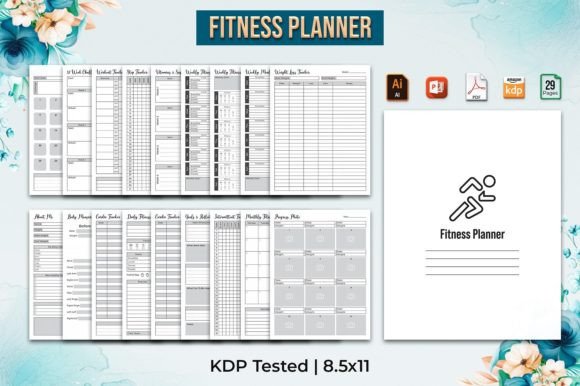
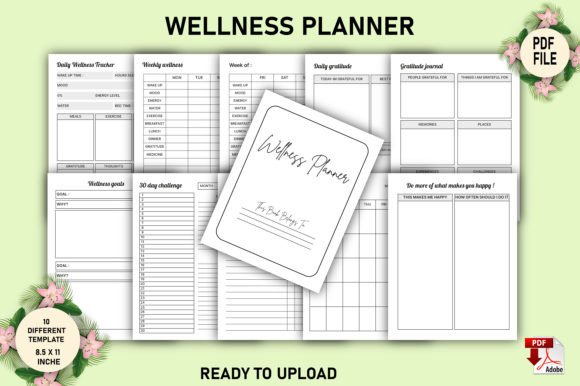
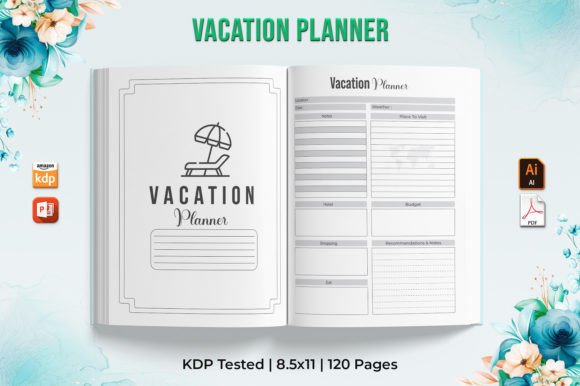
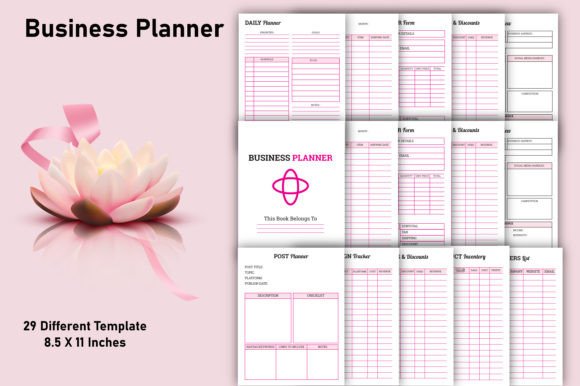
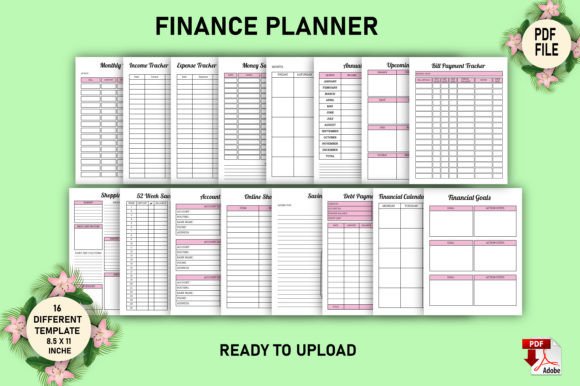
An Editable Finance Planner for KDP is a professionally designed, print-ready PDF interior file specifically tailored for the financial tracking and planning needs of a KDP publisher. Unlike static planners, its editable nature is its core strategic advantage. It allows you to input your own revenue data, expense categories, project budgets, and profit goals directly into the file before printing or digital use. The product described offers 16 different templates within a high-quality print-ready PDF, formatted to KDP’s exact specifications: 8.5 x 11 inches without bleed, using CMYK color at 300 PPI, and KDP tested. This technical readiness eliminates one major barrier—formatting uncertainty—and lets you focus immediately on the substance: your financial strategy.
The value lies not in filling out boxes randomly, but in using the planner as a structured thinking aid. It forces a discipline of regular review. By dedicating space to track royalties from different book titles, expenses for advertising, software subscriptions, or cover design, you move from operating on intuition to managing with data. This shift is critical for making informed decisions about where to invest your next marketing dollar, which book genres are most profitable, or when to scale your publishing efforts.
Strategic Use Cases for the KDP Creator
How can integrating an Editable Finance Planner for KDP into your workflow translate to better outcomes? Consider these practical applications.
Project-Level Profitability Analysis
Launching a new low-content book, like a finance planner itself, involves costs: graphic design, possible listing optimization services, or initial advertising. Use the planner’s project budget sheets to forecast these costs and set a target revenue. Post-launch, track actual royalties against this forecast. This simple comparison reveals the true ROI of each publication, guiding your future project selection. You might discover that intricate Editable Finance Planner For KDP Interiors with complex graphics have higher upfront costs but also command higher prices and better long-term returns, validating a strategic focus on quality.
Operational Cash Flow Management
The irregular nature of KDP royalties can make cash flow chaotic. A dedicated cash flow template within your planner helps you visualize income cycles and plan for expense timing. Knowing your average monthly royalty payout allows you to schedule fixed expenses like Canva Pro or email marketing services strategically, avoiding cash crunches. This operational smoothness reduces stress and frees mental energy for creative and marketing tasks.
Goal-Based Financial Planning
Is your goal to replace a side income, fund a new venture, or achieve a specific annual revenue from KDP? An editable planner allows you to set these goals and break them down. You can create a savings tracker for reinvesting into your business, a tax estimation sheet to avoid year-end surprises, and an investment log for tracking funds spent on new skills or tools. This turns an abstract aspiration into a monitored, actionable plan.
Approaching Your Planner with Intentionality
To extract maximum value, avoid the common pitfall of using your Editable Finance Planner for KDP as a passive recording log. Approach it with the following mindset.
- Define Your Primary Objective First: Before editing any field, ask: “What key financial question do I need answered?” Is it understanding per-title profitability, controlling monthly overhead, or planning for a quarterly advertising budget? This focus dictates which of the 16 templates you use most heavily.
- Schedule Regular Review Sessions: Strategy emerges from review. Block time weekly or monthly not just to input data, but to analyze it. Look for trends, anomalies, and opportunities. This scheduled reflection is where the planner pays its strategic dividend.
- Customize to Your Unique Business: The editable format is an invitation to adapt. Create expense categories that mirror your actual workflow (e.g., “Stock Photo Subscriptions,” “KDP Ads,” “Proof-Copy Printing”). This relevance increases engagement and accuracy.
The Risks of Uncontextualized Use
While powerful, any tool can be misapplied. The primary risk of using an Editable Finance Planner for KDP without clear goals is data without insight. You may diligently record numbers but fail to connect them to decisions. This leads to a feeling of administrative burden without strategic payoff. Furthermore, without aligning the planner with your specific KDP model—whether you publish low-content journals, children’s books, or niche guides—some templates may feel irrelevant, causing you to abandon the system altogether.
Another consideration is the balance between planning and action. The planner is a support for your creative and commercial activity, not a replacement. Guard against over-engineering your financial tracking at the expense of the core work of publishing, marketing, and engaging with your audience.
Integrating Planning with Creative Output
The most successful KDP publishers view financial management and content creation as interconnected strands. Using your Editable Finance Planner For KDP Interiors effectively can directly fuel creativity. For example, clear profitability data from past projects can inspire a new series of planners targeting an underserved niche you’ve identified. Financial stability managed through the planner reduces anxiety, creating a more conducive environment for brainstorming and design. The planner becomes part of the operational backbone that allows your creative front-end to thrive.
Long-Term Value and Business Positioning
Adopting a structured financial tool like this has implications beyond month-to-month tracking. It contributes to the professionalization of your KDP venture. This discipline enhances your positioning: you are not just a hobbyist publishing books, but a serious content business owner. This mindset can influence everything from the quality of your products (like ensuring high-quality print-ready PDF files) to your pricing confidence and long-term brand building.
Moreover, the accumulated financial history within your planner becomes an invaluable asset. When considering scaling—perhaps hiring a freelance formatter or increasing ad spend—you have a documented financial performance history to inform those risk assessments. This data-driven approach significantly increases the likelihood of successful scaling decisions.
A Tool for Empowerment, Not Just Accounting
Ultimately, a well-utilized Editable Finance Planner for KDP is less about accounting and more about empowerment. It transforms the often opaque financial results of a platform like KDP into a clear, personal narrative of your business journey. You see the direct link between an investment in a better interior design and a spike in royalties. You witness the cumulative growth of your publishing empire over quarters and years.
The technical assurance of the product—its readiness for KDP’s specifications, the professional CMYK color, and the tested 300 PPI resolution—means you can trust the tool’s foundation. This allows you to invest your full attention into the strategic layer: editing, analyzing, and planning. By starting with high-value content and focusing on your unique financial questions, you turn this editable planner from a generic product into a customized strategic partner for your KDP success.