The Ultimate Guide to Streamlining Your Workday: What Makes a Planner Essential?
In the relentless pace of modern professional life, the quest for organization is universal. Whether you're a freelancer juggling multiple projects, a business owner steering a company, or a creative trying to capture fleeting ideas, a structured approach to your day can be the difference between chaos and calm, between missed deadlines and celebrated successes. This is where the concept of a dedicated Work Day Organizer or Work Planner enters the scene, not as a mere notebook, but as a designed system for intentional productivity.
Beyond the Notebook: What is a Work Day Organizer Planner?
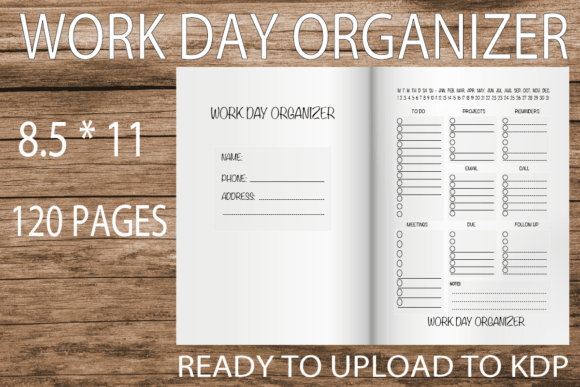
Imagine a tool crafted specifically for the architecture of your workday. A Work Day Organizer Planner is more than blank pages; it is a pre-formatted interior designed to guide your planning process. It provides the consistent framework—daily task lists, priority slots, time blocks, and tracking sections—that many professionals need but often spend valuable time drawing themselves each week. Products like the "2022 Work Day Organizer Planner 100" exemplify this by offering a ready-to-use, tested template. This eliminates the guesswork and setup time, allowing you to focus immediately on the substance of your work rather than the structure of your plan.
The Core Anatomy of a Professional Planner
The value of a well-designed planner lies in its thoughtful features. When evaluating a Work Day Organizer, consider these key characteristics:
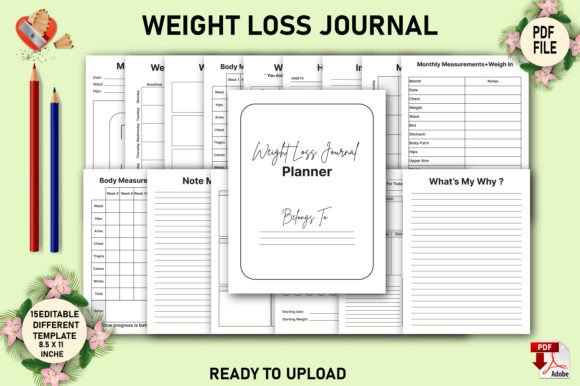
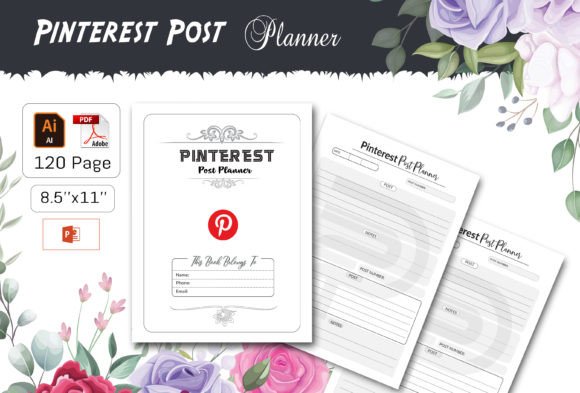
- Standardized Format: A size like 8.5 x 11 inches offers ample space while being compatible with standard home printers and professional print shops.
- Editable Foundation: The ability to edit colors or resize elements means the planner can adapt to your personal brand or changing project needs, making it a living document.
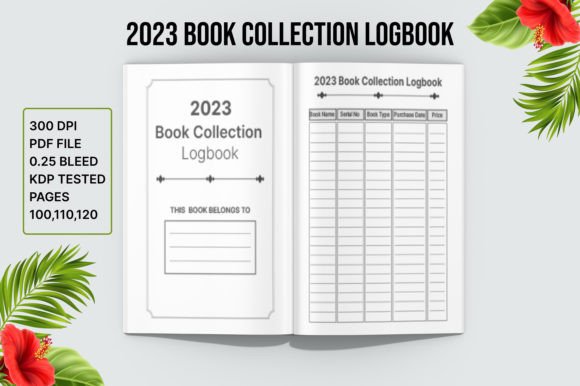
- Technical Readiness: High-quality 300 dpi resolution and print-ready files ensure that physical copies are crisp and professional, whether you print at home or use a service.
- Structural Completeness: With a total of 120 pages, it provides a substantial runtime for planning, often covering a full quarter or more of focused work.
These features combine to create a tool that is both a personal productivity companion and a potentially scalable product for creators looking to offer physical planners to others.
Who Stands to Benefit Most from a Structured Work Planner?
The application of a systematic Work Planner extends across a wide spectrum of roles and lifestyles. Its utility is not confined to a single profession.
- Solopreneurs & Freelancers: For those managing their own business, every minute is revenue. A planner helps compartmentalize client work, administrative tasks, and personal development, ensuring nothing falls through the cracks.
- Project Managers & Team Leads: Breaking down complex projects into daily actionable steps is critical. A dedicated planner section for each project can provide clarity and a single reference point.
- Content Creators & Artists: Creative work often requires managing both inspiration and logistics. Using a planner to schedule brainstorming sessions, production time, and publication deadlines can foster both creativity and discipline.
- Students & Academics: Balancing research, writing, and course work demands precise time allocation. A daily organizer is an excellent tool for managing long-term academic goals.
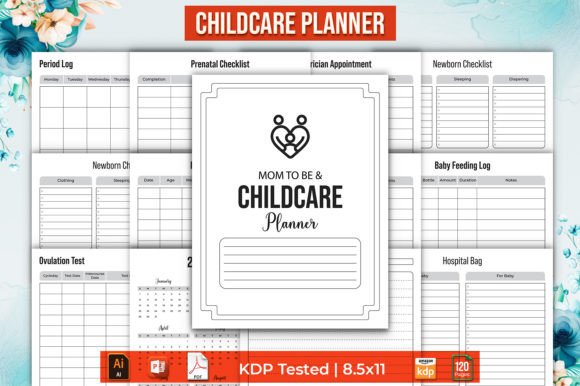
- KDP Creators & Digital Entrepreneurs: For those in the publishing or digital product space, an editable planner file itself becomes a business asset. It can be used personally or formatted for sale, leveraging the ready-to-upload files for platforms like Amazon KDP.
Real-World Scenarios: From Planning to Execution
Consider a small business owner launching a new product. Their Work Day Organizer might contain a week where Monday is blocked for final vendor calls, Tuesday for packaging design review, Wednesday for social media content creation, and Thursday for logistics setup. Each day's page holds the specific tasks, contact information, and follow-up items related to that block. This visual and written commitment transforms a nebulous "launch week" into a controlled, executable sequence.
Another example is a novelist using the planner to combat writer's block. Instead of a daunting "write chapter," daily pages could include: "Outline scene dialogue (9-11 AM)," "Research historical detail (11:30-12 PM)," and "Write 500 words (2-3 PM)." The planner physically represents the progress, making the large project feel manageable day-by-day.
Evaluating Your Needs: Is a Pre-Formatted Work Planner Right for You?
While the benefits are clear, choosing to integrate a formal Work Day Organizer Planner into your routine requires some self-assessment. It is not a magical solution, but a powerful enabler for those already committed to structured planning.
- Assess Your Current System: Are you currently planning on random scraps of paper, digital notes in multiple apps, or a generic notebook? If yes, a unified system could reduce friction and increase consistency.
- Consider Your Output Format: Do you prefer physical paper you can touch and annotate quickly, or a digital file you can edit on-screen? Many planners, like the KDP Interior example, offer both through PDF and editable vector files (like Illustrator .AI), serving dual preferences.
- Understand the Commitment: A planner requires regular engagement. It’s a tool for those willing to spend 5-10 minutes daily to review and plan. Its value compounds with consistent use.
- Identify the Scope: Is your need purely personal, or do you see potential to use the editable files to create products for others? This dual-purpose potential is a unique strength of fully editable, print-ready planner interiors.
Potential Limitations and Practical Expectations
It's important to approach any tool with realistic expectations. A Work Planner provides the structure, but you supply the content and discipline. It will not automatically prioritize your tasks; you must do that. It also may not suit individuals who thrive on entirely fluid, unstructured schedules. Furthermore, a physical planner requires carrying it with you or ensuring you're at your desk, whereas digital apps are always on your phone. The choice between a printable PDF and a constantly accessible app is a key personal decision.
The "no bleed" design of some files, while perfect for standard home printing and KDP uploads, means they may not have the extended design elements favored by some high-end commercial printing. This is a practical consideration for creators looking to sell physical copies.
The Lasting Value of Intentional Daily Design
In conclusion, a dedicated Work Day Organizer or Work Planner represents a commitment to intentionality in your professional life. It is the blueprint for your day, the archive of your progress, and for many, a canvas for their business ambitions. Whether you utilize it as a personal system to reclaim focus and reduce overwhelm, or as a foundational product file to build and sell your own branded planners, its core offering is clarity. In a world of constant information and demands, clarity is not just convenient—it is essential. By providing a tested, adaptable, and ready-to-use framework, these planners remove the barrier of setup and allow you to begin the real work immediately: the work of building, creating, and achieving your defined goals, one organized day at a time.