The Strategic Advantage of a Meal Grocery Planner: From Concept to Professional Product
In an era defined by a relentless pursuit of efficiency and personal well-being, the act of meal planning has evolved from a simple kitchen chore into a strategic life-management tool. At its core, a Meal Grocery Planner is a systematic framework designed to organize the process of deciding meals, creating corresponding shopping lists, and managing inventory. It bridges the gap between nutritional intention and practical execution, reducing mental load, curbing impulsive spending, and promoting healthier eating habits. For the individual, it is a personal system; for the creator and entrepreneur, it represents a tangible product opportunity that meets a clear market demand.
More Than a List: The Planner as a Response to Modern Trends
The resurgence of interest in structured Meal Grocery Planners is not an isolated phenomenon. It intersects with several powerful contemporary trends. The wellness industry continues to emphasize proactive health management, where diet is a foundational pillar. Meanwhile, economic pressures and a heightened awareness of food waste drive consumers towards more conscientious consumption. On the technological front, while digital apps abound, there is a counter-trend valuing tactile, offline tools that offer a respite from screen time and provide a sense of ownership and customization that pre-set algorithms often lack. A physical or digitally-editable planner occupies this unique space, offering structure without rigidity, and guidance without automation.
Furthermore, the rise of the creator economy empowers individuals to turn their solutions into products. Someone who has perfected a personal planning system can now package that methodology for others. This democratization of product creation is key. The availability of professional, ready-to-use templates, such as a fully-formatted Meal Grocery Planner – KDP Interior, directly fuels this movement. It allows creators to bypass the complex technical hurdles of design and formatting, and focus instead on the value of their content and system.
Why Professionals and Creators Are Paying Attention
The attention from professionals, marketers, and freelancers stems from a recognition of twofold relevance. First, as a consumable product, a well-designed planner addresses a universal need with a relatively low barrier to entry. It is a practical item with evergreen appeal. Second, as a business tool, the production process itself exemplifies modern, agile entrepreneurship. Utilizing a pre-designed interior package transforms a project from a months-long design endeavor into a focused content-development task. This aligns perfectly with the workflow of modern creators who seek to validate ideas quickly and deploy them efficiently.
Changing consumer preferences also play a role. Today’s buyers expect not just functionality, but aesthetic coherence and personalization. A planner that is merely a grid of lines is insufficient. It must be visually appealing, logically structured, and adaptable. This is where the specifications of a professional product become critical. For instance, a package offering a 6 x 9 inch print-ready format, fully editable vector files, and easy color changes means the creator can maintain quality while adapting the product to niche audiences—be it for busy parents, fitness enthusiasts, or minimalists.
From Workflow to Product: The Practical Development Path
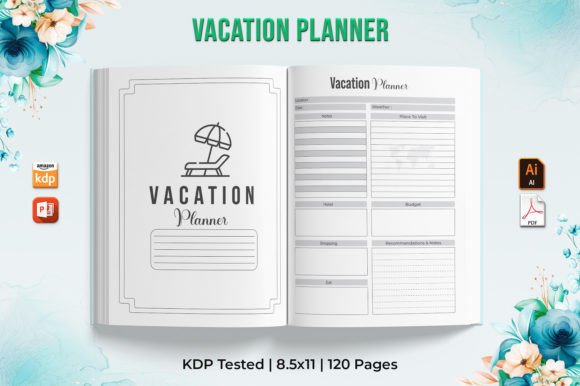
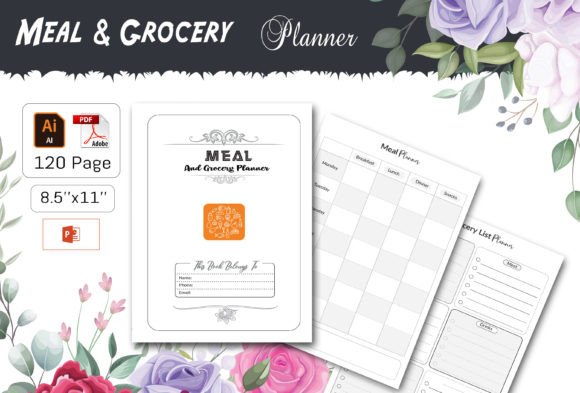
The journey from identifying the need to selling a solution is streamlined by available resources. Consider a freelance nutritionist or a busy professional who has developed a effective meal mapping technique. Their expertise is the content. The obstacle is often productization: layout design, file formatting, and print specifications. By leveraging a tested KDP Interior package, which includes a ready-to-upload PDF, editable Illustrator AI/EPS and PowerPoint PPT files, and JPEG images, they can insert their methodology into a proven framework. The 120 pages become a canvas for their system, not a technical puzzle to solve.
Practical examples abound. A marketer might use the editable vectors to tailor the planner’s color scheme to match a branded wellness program. An entrepreneur might use the multiple file formats (PDF, AI, PPT, JPEG) to create different product derivatives: a physical book for Amazon KDP, a digital download for their website, and printable sheets for a subscription service. The inclusion of 100 vector shapes and high-quality 300 dpi assets ensures that these derivatives maintain a professional standard across platforms. This flexibility is paramount in a market where customer touchpoints are diverse.
Connecting to Larger Developments in Business and Design
This product-centric approach mirrors larger developments in micro-business and digital publishing. The print-on-demand model, exemplified by platforms like Amazon KDP, has decoupled inventory risk from product creation. A Meal Grocery Planner is an ideal candidate for this model. The provided NO BLEED file specification for a 6 x 9 inch book is precisely tailored for this ecosystem, ensuring a seamless upload process. This removes logistical barriers and aligns with the forward-looking trend of asset-light, digital-first entrepreneurship.
Moreover, the emphasis on editable and vector-based resources speaks to the growing expectation of creative control. Professionals no longer want to be locked into static products. They want foundational assets they can adapt, scale, and repurpose. The ability to easily change colors or resize vector shapes without quality loss empowers the creator to iterate based on feedback or market segmentation, connecting the product development cycle directly to agile business practices.
Conclusion: The Planner as a Symbol of Integrated Solutions
Ultimately, the Meal Grocery Planner topic transcends the simple discussion of a notebook. It represents the integration of a lifestyle need, a consumer trend, and a viable business model. For the end-user, it promises order and health. For the professional creator, it represents a case study in how to capitalize on broad trends with a focused, practical product. The availability of professional, formatted interiors accelerates this process, turning insight into a tangible offering with remarkable efficiency. In a world seeking both personal optimization and professional opportunity, the Meal Grocery Planner stands as a relevant tool for both goals, embodying the convergence of well-being, creativity, and smart commerce.