Mastering Your Year: The Practical Power of a 12 Month Planner
In a world of digital notifications and fleeting to-do lists, the structure of a physical 12 Month Planner offers a tangible anchor for your ambitions. It is more than a calendar; it is a dedicated workspace for your entire year, a single point of reference where goals, deadlines, appointments, and reflections coalesce into a coherent strategy. For professionals, entrepreneurs, and anyone with a vision for their time, this tool shifts planning from a reactive scramble to a proactive, organized process.
The Role of a Planner in Your Overall Workflow
Think of your annual workflow as a multi-stage project. The 12 Month Planner serves as the central project management document. Before a quarter begins, you use it to set high-level objectives and block out major phases of work. During the execution of monthly tasks, it becomes your daily command center, where you track progress against those larger goals. After a project cycle concludes, it provides a documented history for review, allowing you to assess what worked and refine your approach for the next cycle. This continuous loop of planning, action, and reflection is what transforms a simple planner into a powerful engine for personal and professional growth.
Integration with Other Tools and Systems
A key to its effectiveness is how it interacts with other elements of your system. It does not replace digital tools but complements them. Use your planner for the big-picture, tactile planning that screens often discourage—sketching out a business launch timeline, blocking weeks for deep learning projects, or mapping a content schedule for your blog. Then, sync the critical deadlines and appointments into your digital calendar for alerts. The planner can also house the outcomes from other resources: key metrics from a analytics platform can be noted monthly, insights from a brainstorming session can be captured on the relevant week’s page, and follow-ups from meetings can be logged directly alongside your schedule. This makes the 12 Month Planner the integrative hub, connecting disparate tools into a unified view.
Practical Implementation: From Acquisition to Daily Use
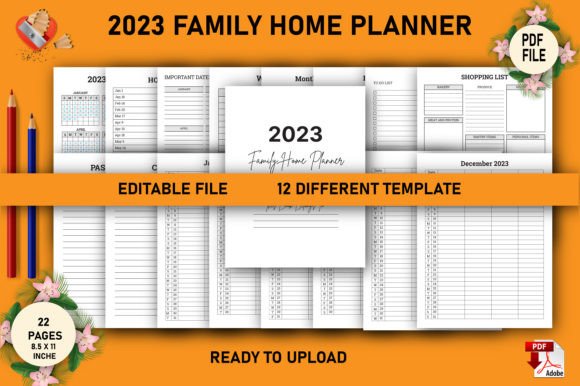
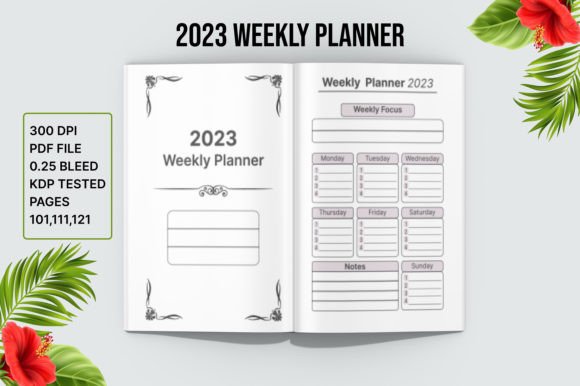
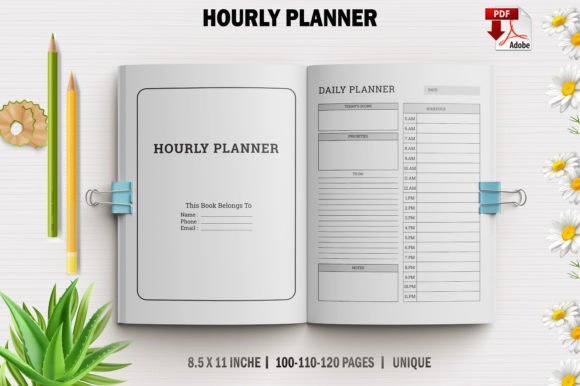
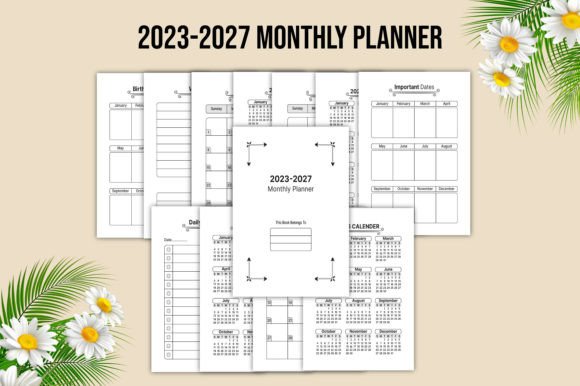
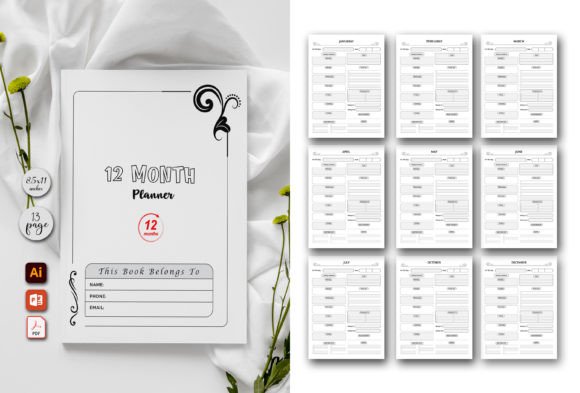
For many users, the journey begins with a customizable product like a 7 Days Daily Planner KDP Interior. This approach is particularly relevant for creators, publishers, and small business owners in the low-content publishing space. Having a file that is pre-formatted for platforms like KDP (Amazon Kindle Direct Publishing), tested, and ready in multiple formats—JPEG, PDF, PowerPoint, Editable AI—eliminates technical barriers. The dimensions of 8.5" x 11" inches offer a standard, professional page size, while the editable nature allows you to tailor the planner to your specific workflow before you even begin to use it.
The real implementation starts with preparation. Before filling the first page, dedicate time to an annual review. What are your three primary foci for the year? Break these down into quarterly milestones. Enter these into the high-level month views. This preparatory work ensures the planner is guiding you toward something meaningful from day one.
Building a Consistent Usability Habit
Consistency is the bridge between a beautifully designed planner and actual results. Establish a simple ritual. Perhaps every Monday morning, you review the monthly goal and plot the week’s critical tasks in the daily blocks. Every Friday afternoon, you spend ten minutes reviewing the week, noting accomplishments and obstacles. This regular engagement turns the planner into a working document, not a forgotten artifact. For freelancers and hobbyists, this might mean scheduling dedicated project hours alongside personal commitments, visually creating balance. For educators, it could involve mapping out curriculum units across the academic year, with weekly spaces for lesson preparation notes.
Workflow Examples Across Different Roles
To see its adaptability, consider a few specific scenarios. A marketing professional might use the 12 Month Planner to oversee an annual campaign calendar. The monthly pages hold launch dates and budget review points, while the daily sections track content publication deadlines and performance reporting tasks. It interacts directly with their project management software and analytics dashboards.
A novelist using a planner could block three months for drafting, one month for revision, and another for submission processes on the annual view. The daily pages become a log of writing hours and narrative breakthroughs, a companion to their actual manuscript document. An entrepreneur launching a small business can map out pre-launch tasks month-by-month: market research in Month 1, website development in Month 2, product creation in Month 3, and so on. The planner provides a visual pace, reducing the feeling of being overwhelmed by an undifferentiated list.
Quality Control and Long-Term Value
The physical nature of a planner also aids in quality control and long-term insight. As you manually enter data, you are forced to consider its importance, filtering out noise. The act of writing can solidify commitment. Over time, the completed planner becomes a unique archive. Reviewing a past year’s planner offers concrete data on how you actually spent your time versus your intentions, providing invaluable lessons for future planning. This historical record is something most digital systems, constantly updating and overwriting, fail to preserve in an easily reviewable format.
Customization for Optimal Fit
The advantage of starting with a customizable interior, like the mentioned KDP-ready product, is that you can design the tool around your specific process. Perhaps you need a planner that emphasizes weekly financial reviews—you can add a section for that. If your workflow involves client follow-ups every Friday, you can structure a daily template to highlight that task. This preparation ensures the tool’s organization mirrors your mental organization, dramatically increasing its usability and efficiency. The fact that such products come in editable formats like AI and PowerPoint means you can adjust not just content, but layout, to suit your evolving needs year after year.
Integration into your routine is the final, crucial step. Place the planner in your primary work area. Make it the first thing you open in your work session. Use it to conclude your day. Its success depends not on its features alone, but on becoming a natural, habitual part of your operational environment. For the productivity-minded user, this integration is the goal: a system that feels less like an added task and more like a natural extension of their thinking and working process.
Ultimately, a 12 Month Planner is a commitment device. It represents a decision to take your year seriously, to give your goals a physical space, and to create a documented dialogue between your plans and your actions. Whether you are a busy professional juggling projects, a creator building a body of work, or an individual pursuing personal mastery, it provides the framework to move from scattered effort to directed progress. By choosing a format that is tested, customizable, and ready for use, you remove the friction of creation and can focus immediately on the more important task: the execution of your year.