Arabic Letters for Coloring: A Learning Tool for Young Minds
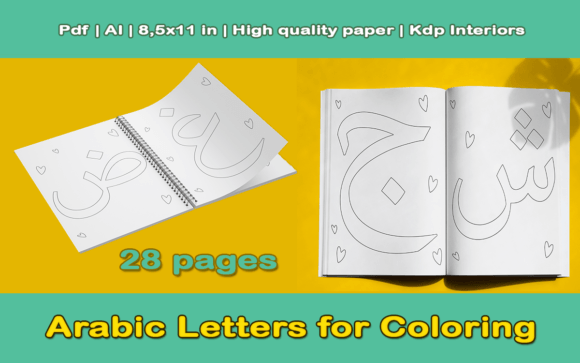
When it comes to introducing young children to a new language, the challenge often lies in making the initial steps both engaging and effective. For English-speaking students beginning their journey with Arabic, the visual and tactile nature of the Arabic alphabet can be fascinating, but also requires a structured, approachable method. This is where specialized resources like Arabic Letters for Coloring become invaluable. This particular product is designed as a 28-page coloring book, each page dedicated to a single letter of the Arabic alphabet.
The visual characteristics are purposefully straightforward and clear. Each letter is presented in a large, bold outline form, perfect for a child’s hand to color within. The style is clean and uncluttered, focusing entirely on the shape and form of the letter itself, without distracting decorative elements. This simplicity is its core appeal—it turns learning into a hands-on, creative activity. The personality of the book is educational and playful, aiming to build familiarity through repetition and artistic expression.
Practical Design for Real-World Learning
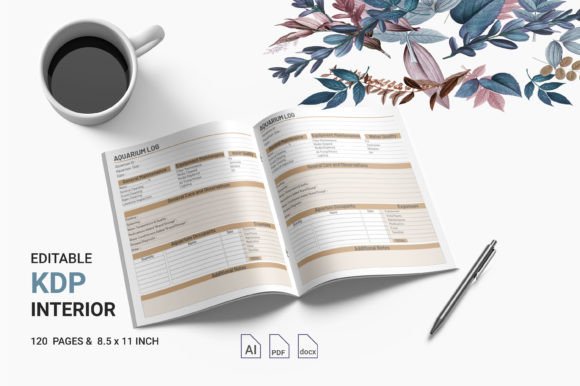
The physical specifications of the book speak directly to its practical use. With a perfect size of 21.59 x 27.94 cm (the standard 8.5 x 11 inches), it’s a familiar and manageable format for both children and parents. The high-quality paper ensures that markers, crayons, or pencils won’t bleed through, making the finished pages something a child can proudly display. As a KDP interior, it’s tailored for self-publishing, and the provided files (AI and PDF) offer flexibility for educators or parents who might want to print specific pages repeatedly.
Where does this tool work best? Its primary and most powerful application is in educational publishing and home learning resources. For designers and publishers creating materials for early language learners, this offers a ready-to-use, professional asset. For bloggers, content creators, and entrepreneurs focused on educational niches, it provides a tangible product that addresses a specific need: bridging the gap between English and Arabic for young students. The commercial use is clear—it’s a product designed to be sold or used as a supplement in teaching environments.
Building Recognition Through Engagement
The influence of a resource like Arabic Letters for Coloring on a child’s learning process is significant. It directly aids in visual recognition and memory retention. The act of coloring a letter engages multiple senses, helping to cement its shape in a child’s mind far more effectively than passive viewing. This builds a strong foundation for future readability of the Arabic script. From a brand perception standpoint, for a publisher or educator using this tool, it communicates a commitment to interactive, quality learning materials—enhancing professionalism and trust with their audience.
The visual hierarchy in each page is intentionally singular: the letter is the hero. There’s no competing text or complex backgrounds. This design choice ensures the child’s focus is undivided, promoting better engagement and consistency in the learning experience. Over 28 pages, this consistent approach builds a rhythm that children can follow, making the daunting task of learning 28 new alphabet characters feel achievable and fun.
Guidance for Creators and Publishers
If you are a designer, marketer, or publisher considering this type of asset for your project, evaluating its fit is straightforward. First, consider your audience: are they young, English-speaking children beginning Arabic? This is the perfect match. When thinking about font pairings or additional design assets, remember that the coloring pages themselves are the core display element. The clean, outlined letters act almost as a display font within the page, demanding attention. Supplementary text, like instructions or page titles, should use a highly readable sans serif font to maintain clarity and not overwhelm the primary learning object.
Readability considerations here are unique. The goal isn’t readability of dense text, but of individual glyphs. The large, clear outlines are perfectly suited for this. From a commercial licensing perspective, ensure that the AI and PDF files you acquire or create are intended for such use, allowing for reproduction and sale. The value of this creative font application—as coloring outlines—lies in its dual function as an artistic canvas and a memorization tool.
The Bigger Picture in Educational Design
Integrating Arabic Letters for Coloring into a broader learning strategy can be powerful. It can be the first step in a series of resources, followed by books that introduce letter connections or simple words. For the creative professional, this represents an opportunity to build a cohesive brand identity around educational products. A series of books with this consistent, hands-on approach can become a recognizable and trusted line for parents and teachers.
In practical use, observe how children interact with it. The realistic example is a child not just learning a letter, but owning it through color choice and personal effort. This emotional connection to the material is what transforms a simple coloring book into an effective pedagogical tool. My recommendation is to consider it not just as a standalone product, but as a modular component. Pages could be extracted for classroom handouts, or the format could inspire similar books for numbers or basic words, creating a comprehensive suite for early Arabic learning.
Ultimately, the appeal of Arabic Letters for Coloring is its elegant synthesis of function and form. It leverages the universal childhood activity of coloring to serve a specific educational purpose. For the entrepreneur or publisher, it fills a clear market need. For the designer, it’s a well-executed, purpose-driven asset. And for the end user—the child and their parent—it’s a bridge to a new language, built with creativity and joy.